


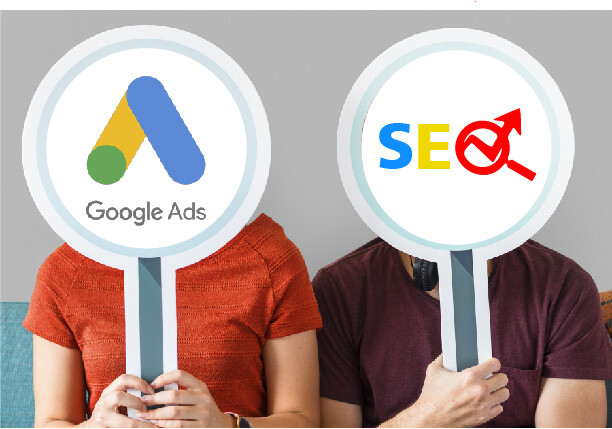
SEO vs Google Ads: Which One Generates More Leads
So, suppose you have a business and you want to allocate marketing expenses wisely. In that case, you have likely pondered the following question more than once: should I allocate money to SEO or will Google Ads be enough?
It is the question faced by numerous business owners and it is one of the trickiest questions indeed. Both options will put you on top of Google. Both can attract leads. However, their mechanisms are very different and choosing the wrong channel in your case may cost months and money.
With all the changes Google made in 2026 when it comes to the structure of the search results page and the way people search in the new era of AI Overviews, the question is more relevant than ever before: which of the two channels brings more leads to your business?
To be perfectly honest – it depends on the time frame, on your budget and your industry.
What Is SEO?
SEO (Search Engine Optimization) refers to making changes to your website to improve its ranking within the organic (free) results of Google. SEO will determine if you get your website to show up organically when people type in something like “plumber near me” or “top CRM software for small business.”

How SEO Works
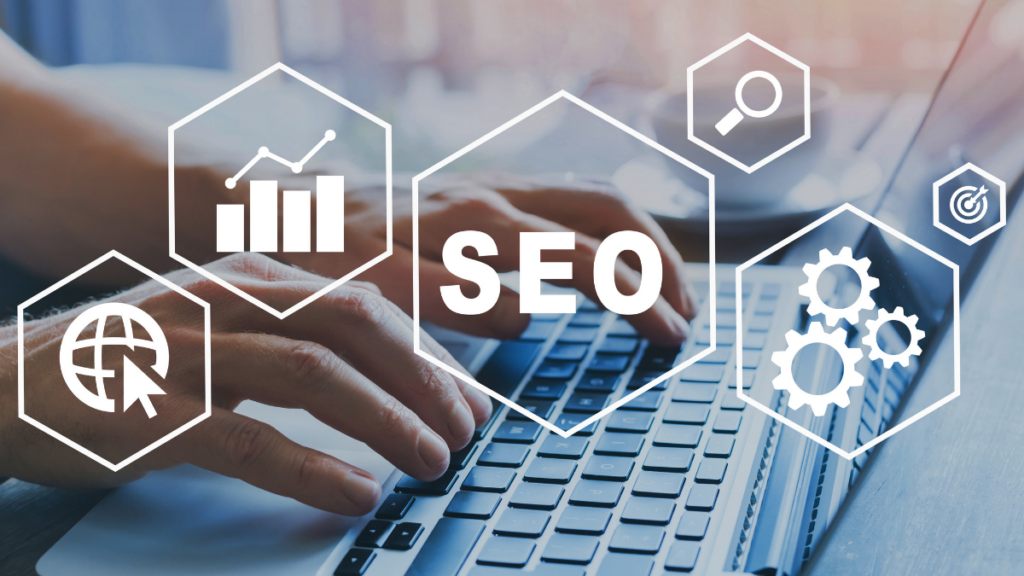
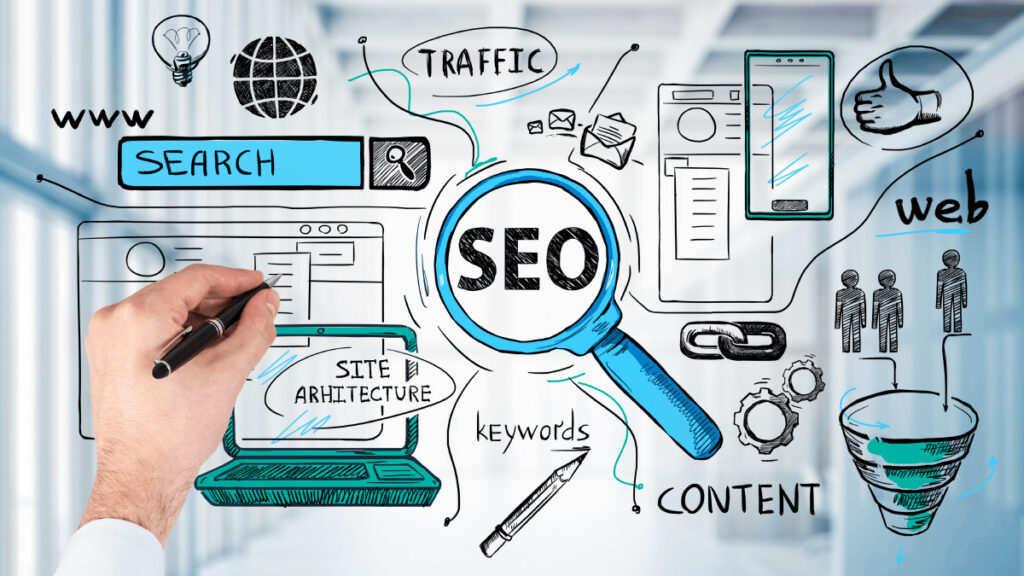
SEO operates by sending Google a signal that you have a site which is relevant, legitimate, and useful for some search. That occurs through a combination of:
On-page SEO: optimization of title tags, heading tags, content, and internal links
Technical SEO: having your site load quickly, being mobile-friendly, and easily crawled by Google
Off-page SEO: gaining backlinks from other credible sites
Content SEO: creating useful and unique content that responds to searches made
Types of SEO
- Local SEO – helps businesses rank in “near me” searches and Google Maps results
- National SEO – targets broader, non-location-based keywords
- E-commerce SEO – optimizes product pages and categories to rank for shopping searches
- Technical SEO – focuses on site speed, structure, and crawlability
Benefits of SEO
SEO is an investment. In contrast to ads, after ranking, you don’t have to pay for each individual click. What this implies is that any leads generated from a highly ranked page are going to be practically free leads eventually.
SEO also creates greater levels of trust. Organic search results appear to be inherently more trustworthy in the eyes of searchers compared to ads.
The drawback? SEO takes time.
What Are Google Ads?
Google Ads is Google’s pay-per-click (PPC) advertising platform. Instead of earning your spot through relevance and authority, you pay to appear at the top of search results, on websites across the Google Display Network, or across multiple platforms through Performance Max campaigns.
How Google Ads Works
You bid on keywords relevant to your business. When someone searches that keyword, Google runs an instant auction that factors in your bid amount and your ad’s quality score. If you win, your ad appears — and you pay only when someone clicks.
Search Ads
These are the text ads that appear above organic results when someone searches a specific keyword, like “emergency plumber Chicago.” They’re intent-driven, meaning the person searching is often ready to take action.
Display Ads
These are visual banner ads that appear across websites, apps, and YouTube. They’re better for brand awareness than for immediate leads, since the audience isn’t actively searching for you at that moment.
Performance Max
Performance Max is Google’s AI-driven campaign type that automatically shows your ads across Search, Display, YouTube, Gmail, and Maps from a single campaign, optimizing placement and bidding using machine learning.
Benefits of PPC
Google Ads gives you speed. You can launch a campaign today and start getting clicks within hours. It’s also highly measurable and controllable — you decide the budget, the keywords, and the audience.
The tradeoff? The moment you stop paying, your traffic stops too.
SEO vs Google Ads: Quick Comparison
Factor | SEO | Google Ads |
Cost | Lower long-term cost, but requires upfront time investment | Ongoing cost per click; budget-dependent |
Time to Results | 3–6+ months | Immediate (same day) |
Lead Quality | Generally high — organic intent | High for search ads, variable for display |
ROI | Compounds over time | Immediate but stops when spend stops |
Sustainability | Long-term asset | Requires continuous investment |
Trust | Higher perceived credibility | Perceived as advertising |
Best Use Cases | Long-term growth, brand authority | Fast leads, promotions, product launches |
Key Differences Between SEO and Google Ads
The primary distinction between SEO and Google Ads lies in the notion of ownership versus renting.
SEO is about owning what you create – a properly optimized website will continue producing leads over time at no extra cost. In case of Google Ads, you simply rent the visibility until you run out of budget, after which your traffic disappears.
Consider a situation with two dentists in one city.
One dentist spends $2,000 a month on Google Ads. He receives leads right away but, when the ad campaign stops for one month, the number of leads is practically non-existent.
The second dentist decides to work with SEO. In this case, it takes four months to receive good results in terms of rankings but, in month eight, he starts receiving organic leads each week with no cost per click.
Both strategies are not bad in themselves – just different.
Another difference is related to searcher psychology. Users tend to ignore ads, especially in cases when trust plays an important role (lawyers, dentists, financial consultants).
Which Generates Leads Faster?
Without a doubt, Google Ads will win this match. You will have your first leads just one day after starting your ad campaign.
SEO takes longer since Google has to index your website and see how it stacks up against your competition. Businesses usually start getting their footing between 3 to 6 months, sometimes even after 6 to 12 months.
If you need leads right now – grand opening, seasonal event, a financial problem – then Google Ads is the way to go. However, if you are building a business to last 3-5 years from now, then SEO might suit you better.
SEO vs Google Ads Cost Comparison
Investments in SEO
SEO expenses involve investing in time, creating content, and sometimes paying an agency that may charge anywhere between a few hundred dollars up to a few thousand dollars per month, depending on how competitive your space is.
Budget for Google Ads
The budget for Google Ads relies on CPCs (cost-per-clicks), and their prices vary dramatically based on industries. For example, legal and insurance-related keywords can range from $20-$100+, whereas niche keywords for local services may be priced at $2-$10.
Cost Per Click VS Cost Per Ranking
If you use Ads, you will always have to pay for each click, regardless of the conversion rate. With SEO, after ranking, the cost of that “click” becomes free. That’s one reason why SEO often generates better results in terms of cost per lead in the long run.
Long-term Return on Investment
Over the course of 12 months, many companies have discovered that SEO generates a cheaper cost per lead compared to Google Ads, just because organic traffic does not require payment for each individual click. Nevertheless, Ads generate a quicker return.
SEO vs Google Ads for Different Business Types
Small Businesses
Small businesses that are on a tight budget will usually be well-served by first doing Local SEO because it targets close-to-home customers without any continued click fees. A smaller budget of Google Ads in conjunction with SEO can also be used in this scenario.
Local Businesses
Local businesses such as HVAC repair shops, dentists, and beauty salons will have a high conversion rate when using Local SEO (Google My Business optimization, use of location keywords, and reviews) in combination with geo-targeted Google Ads.
E-commerce Stores
E-commerce businesses will generally require both strategies in most cases. SEO will help pages such as product pages and category pages gain ranking and bring in organic traffic, while Google Shopping Ads and Performance Max will generate immediate sales for peak season months.
Service-Based Companies
Service-based businesses such as consultants and contractors will generally see the best returns on investment through long-term SEO content and Google Ads.
When Should You Choose SEO?
SEO is the better choice when:
- You’re building a business for the long term
- You want to reduce dependency on ad spend
- Your industry has high-value, evergreen search demand
- You want to build brand trust and authority
- You have the patience to invest 3–6+ months before seeing major results
When Should You Choose Google Ads?
Google Ads is the better choice when:
- You need leads immediately
- You’re launching a new product or promotion
- You want to test which keywords or offers convert before committing to SEO content
- You’re in a highly competitive space where ranking organically would take too long
- You have budget flexibility to pay for consistent traffic
Why Combining SEO and Google Ads Is the Best Strategy
The reality most companies prefer to ignore upfront is that SEO and Google Ads are not competitors but rather partners.
Combining these marketing strategies improves:
Visibility – you take up more space on the SERP with both organic and paid listings
Lead generation – Ads help generate leads until SEO picks up, keeping you always busy with traffic
Conversions – Google Ads data about conversion rates for certain keywords can help guide your SEO strategy
Trust building – appearing in both organic and ad search listings creates more trust in your brand because studies of online behavior prove repeatedly that people remember what they see often
The way most successful companies do it:
Use Google Ads to drive leads while simultaneously developing SEO in the background. As soon as SEO starts generating regular traffic, move your budget from ads into those with the best conversion rates only.
Common Mistakes Businesses Make
SEO not being used at all – using 100% advertising will ensure you’re only paying for traffic and having nothing done for the future
Poor landing pages – directing paid traffic to a poorly-performing landing page will kill the conversion rate regardless of how great your ads are
Using inappropriate keywords – using broad or too competitive keywords will be burning your budget without any results
Not tracking conversions – when not tracking phone calls, form submissions, and purchases, you’re blindly optimizing
Website performance issues – Google’s algorithms and users punish slow-loading websites
Poor or insufficient content – if your content does not actually answer the user’s query, then it won’t even get ranked or converted, even though it may be technically optimized
SEO & Google Ads Trends in 2026
The nature of search is evolving, and so are the two strategies mentioned above.
Google AI Overviews have been introduced as the first thing users see when searching for something using Google – a brief summary of an answer is displayed before organic results.
AI Search engines such as ChatGPT, Gemini, and Perplexity are gaining popularity among researchers and recommenders, which implies the need for business to become visible outside of Google’s results page.
Answer Engine Optimization (AEO) deals with content structuring in a way to ensure its extraction by AI for the purpose of generating an answer – relevant headings, clear definitions, and questions-oriented structure.
Generative Engine Optimization (GEO) builds on AEO with the goal of optimization based on how the content extracted from different websites is synthesized by AI in order to generate a response.
Voice Search is becoming popular; hence, conversational phrasing should be prioritized over unnatural keyword-rich sentences.
Experience, Expertise, Authoritativeness, Trustworthiness (EEAT) remain one of the major quality signals that Google uses in ranking topics related to health, finance, or safety.
Helpful Content – Google prefers user-friendly, rather than keyword-focused content.
The businesses that would succeed in 2026 will be those who consider SEO and Google Ads as elements of their overall visibility strategy.
Why Businesses Choose Contemporary Media Group for SEO & Google Ads
Selecting SEO or Google Ads may be just the first step—both methods will succeed depending on their execution. Here at Contemporary Media Group, we assist local businesses in developing custom digital marketing campaigns according to their goals, market position, industry, competitors, and available budget.
In our company, we do not adhere to any kind of “one size fits all” approach. We carefully research your business, find out its strengths and opportunities, and build campaigns generating quality leads and providing you with a clear ROI. No matter whether you need an improved organic search ranking, a successful Google Ads campaign, or both of them, we offer our custom, data-driven solutions for your business.
Digital Marketing Services We Offer Include:
Search Engine Optimization (SEO)
Google Ads Management (PPC)
Local SEO & Google Business Profile Optimization
Website Design & Development
Content Marketing
Technical SEO
Conversion Rate Optimization (CRO)
Final Verdict
No one is saying that SEO is better than Google Ads and vice versa. It really just comes down to what’s right for you.
Start-ups – Start with Google Ads to establish demand and test out messaging quickly while developing your SEO strategy in the meantime.
Small Businesses – If you are a local business, then local SEO along with a smaller budget of ads would be ideal.
Established Businesses – As an established business, with all of that built-in brand equity, your return on investment will likely be greatest with your SEO content, while also leveraging ads strategically.
E-commerce – For e-commerce, again, it’s going to be a combination of both: SEO for evergreen products, and the use of Google Shopping/Performance Max during the holidays or for launching new products.
Local Businesses – Once more, local SEO should be your base, followed by geo-targeted Ads for those high-intent searches.
The takeaway here is that SEO will give you your long-term foundation, but Google Ads will give you that speed and control. The businesses that are going to see the biggest success in 2026 are the ones who are using both, not either or.
It depends on your needs. SEO provides higher-quality, lower cost leads in the long run, but it usually takes 3-6 months to gain traction. Google Ads provide leads right away but will stop as soon as you stop spending. The majority of companies use both SEO and Google Ads - SEO for sustainable lead generation, Google Ads for instant lead generation.
Most companies can see some results within 3-6 months and have more significant achievements from 6 to 12 months. Time depends on the industry you are working in, the authority of your website, and your frequency of publishing the optimized content.
Yes, especially to get leads quickly and determine what offers work the most. Small business owners need to start with a minimal budget targeting high-intent local keywords rather than more general, costly ones.
SEO usually gives you better ROI in the course of 12+ months because there is no cost per click for your organic traffic. Google Ads provide fast return on investment that could be useful for companies who need instant money.
SEO usually gives you better ROI in the course of 12+ months because there is no cost per click for your organic traffic. Google Ads provide fast return on investment that could be useful for companies who need instant money.