



Google AI Overviews in 2026: How They're Changing Search Results, SEO, and Organic Traffic
Since Google revealed the existence of AI Overviews in 2024, the global marketing community has been watching their analytics with a sense of foreboding. No longer could being ranked #1 on Google be relied upon as the sole avenue to achieve online visibility. A whole new level of competition had appeared on the horizon in the form of the AI Overview that was stealing clicks from websites ranked even #1 on Google.
Now, after several years of existence, AI Overviews have become a staple of Google search experience. Yet in contrast to the initial shock, smart enterprises are realizing that AI Overviews are not a challenge but an opportunity for them. All it takes is to understand how they operate and modify your online strategy to meet this challenge.
In this article, we will discuss what AI Overviews are, how they affect search trends, and finally, how your company could leverage AI Overviews to ensure visibility on search results and remain competitive. We will present two newly developed optimization practices called Generative Engine Optimization and Answer Engine Optimization, and show how they could help your company rank in Google searches.
What Are Google AI Overviews?
Definition
Google AI Overviews are an AI-powered summary of information provided above Google Search results. It is information synthesized from various websites which is provided in a quick and easy way for users to read. In some cases, the user receives the needed information directly from the overview without the need to visit any particular website.
In place of a list of blue links following the search bar, a user gets a brief answer box that is generated by an AI. This answer box contains information from several websites with citations.

How They Work
Several technologies are used by Google’s AI Overviews in unison:
Natural Language Processing (NLP) – The algorithm understands the question being asked by the user, irrespective of whether it has been asked in an ambiguous way or conversationally.
Multi-source aggregation – Information is pulled not from one but several high quality, relevant websites.
Citation and attribution – The sources are cited below or within the context of the overview, with links to the original content.
Relevance of sources – The AI determines which sources would be the most relevant to the specific search query.
Real-time update – Each time the overview is created, it reflects the latest data.
Real-World Examples
Example 1: E-commerce Search Query The user searches for “best running shoes for flat feet.”
Traditional Results: A list of blog posts, landing pages, and reviews.
AI Summarized Results: An overview that synthesizes information on what makes good running shoes for flat feet based on athletic footwear companies, podiatrists’ blogs, and reviews all citing sources.
Example 2: Local Services Search Query The business owner searches for “how to optimize
Google Business Profile for local SEO.”
Traditional Results: Google documentation, marketing blogs, and agencies’ articles.
AI Summarized Results: A summary of recommendations and best practices citing multiple authoritative digital marketing sources.
In both cases, the summary does not substitute the traditional search results, but comes before them and influences users’ behavior and website traffic differently.

How AI Overviews Are Changing Traditional SEO
Change in User Search Behavior
The way the user acts has undergone drastic change in the world of AI Overviews. As reported by the industry, roughly 30-40% of the users will not proceed beyond viewing an AI Overview but won’t even visit individual web sites after that. The current behavior is certainly different from that of pre-2024 times when the organic click rate was more predictable.
Changes in user behavior:
Reduced tendency to click: Quick retrieval of information makes clicking less necessary.
Multimodal querying: Users tend to further query or make follow-up queries.
More reliance on authority: AI-generated synthesis from multiple sources carries more weight than the information from one source.
The Click-Through Rate Impact
The effect on organic click-through rates (CTR) is real:
Sites that have ranking positions #1-3 are suffering from 15-25% decrease in CTR within categories that are packed with AI Overviews (such as health, finance, DIY and local service-related queries).
Long tail traffic wins: Sites that provide answers for specific and complex questions can enjoy better CTR since AI Overviews are pointing to comprehensive content.
More citations mean traffic: Being included into AI Overview will generate qualified traffic regardless of site’s ranking position.
It is not true for all categories. News, entertainment and local queries do not suffer from drastic changes in CTR.
Visibility Isn't About Rankings Alone
The phrase “rank #1” has become incomplete in the AI Overview era. True visibility now requires:
- Being cited in AI Overviews (separate from ranking #1)
- Appearing in traditional organic results (top 10 or top 20)
- Building entity recognition (so Google identifies your brand as authoritative)
- Optimizing for AI answer formats (direct, clear answers)
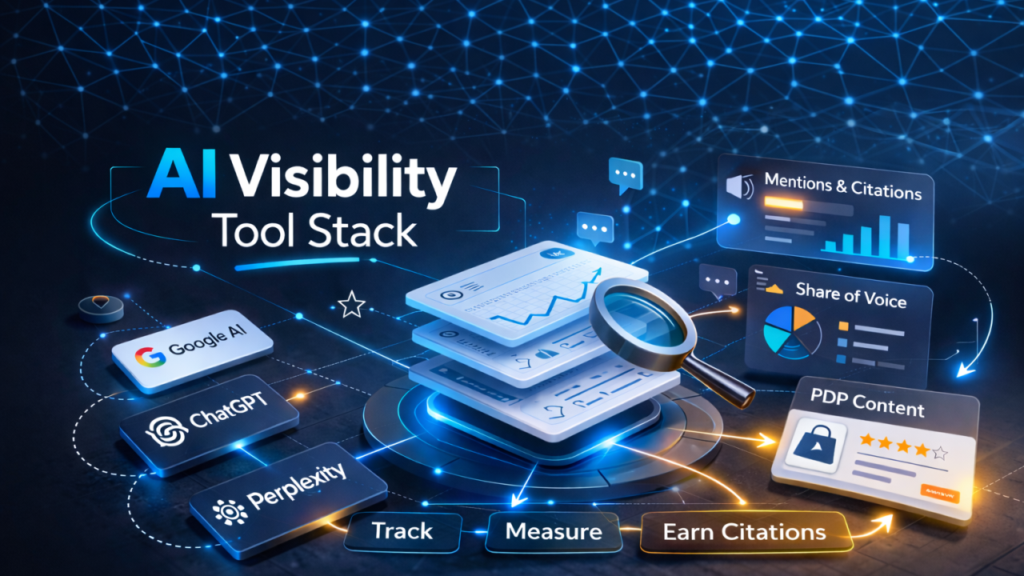
A website ranking #1 that isn’t cited in the AI Overview may receive less traffic than a website ranking #8 that’s prominently featured in the overview.
Why Ranking #1 Is No Longer Enough
Citations and Attribution: The Key to Success
In the AI Overview era, getting cited is like ranking well. Being cited in an AI Overview means:
Authority of your brand – Your website becomes known to Google’s AI as a credible information source about this topic.
Qualified clicks – People that read this overview want to get more and will click on your link.
You affect the AI Overviews – If your content is cited, then in the future your content will be cited again in other AI Overviews.
The reason why citations are better than rankings:
Citation in AI Overviews on 10 queries gives you more visibility than citation in one query.
Citation increases the authority of your brand in clusters of topics, not only keywords.
Multiple citations mean multiple visibility boosters.
Building Brand Authority in AI Search
Brand authority is not just about backlinks and trust signals in AI search anymore. Some of these factors include:
Source consistency: If your brand’s content keeps appearing in various AI Overviews, then your brand name and the content become synonymous within the industry.
Comprehensive nature of content: AI Overviews prefer those sources which answer a complicated query in a comprehensive manner.
Knowledgeable: Writing on any particular topic from different angles is taken to be an indication of your expertise on the subject.
Example: An SEO agency that writes articles on topics like Google business profile optimization, local search trends, citation consistency, and geographical targeting is likely to get cited in AI Overviews on local search.
Entity SEO: The New Competitive Advantage
Entity SEO is making sure that Google knows who you are, what you do, and why you’re an authority. This entails the following:
Schema markup – Structured data that tells Google about your organization, expertise, and content.
Knowledge Graph optimization – Developing a cohesive online identity that will enable Google to develop a knowledge panel about your brand.
Topic associations – Organizing topical clusters that will make Google know your areas of expertise.
AI Overviews prefer entities that have expertise signals throughout the web.
What Is GEO (Generative Engine Optimization)?
Generative Engine Optimization (GEO) refers to the optimization of content and websites to be ranked and referenced in the generative AI search engines. While SEO emphasizes on Google’s ranking algorithm, GEO emphasizes on the AI system’s understanding, evaluation, and synthesis of information.
The advent of GEO as an individual optimization discipline happened in 2025-2026 due to the rise of AI search engines (Google’s AI Overviews, OpenAI’s ChatGPT search, Google Gemini, Perplexity, and others).
The three most important factors for SEO in 2026 are topical authority, user experience, and entity recognition. Here’s what each means for your website..
The Difference Between SEO and GEO
Aspect | Traditional SEO | GEO |
Focus | Algorithmic ranking | AI understanding and citation |
Content Structure | Keyword optimization, backlinks | Topical authority, clear answers |
Goal | Rank high on result page | Be cited and synthesized by AI |
Key Metrics | Rankings, organic traffic | AI citations, featured answers |
Optimization | Keywords, meta tags, backlinks | Entity recognition, structured data, comprehensiveness |
Best Practices GEO
1. Develop Topical Authority
In order to develop topical authority, focus on creating clustered content around a particular area rather than scattering content on miscellaneous topics. Such as,
Instead of writing an article on “Google Business Profiles”, write a full topic cluster on optimization of Google Business Profiles, review management, local SEO, citation building, etc.
AI systems recognize topic clusters and prioritize citations from sites having broader knowledge in related areas.
2. Structure and Format the Content Well
AI systems analyze structured content much better as:
Use descriptive H2 and H3 headings
Create summary boxes and callout sections
Use bullet points when you have multi-point information
Make tables to show comparative data
3. Develop Entity Recognition
AI systems need clarity about the entity of the business as such:
Have consistent Name, Address and Phone Number (NAP) on the internet
Create complete Google Business Profile for your business
Use schema markups (Organization, LocalBusiness, Article)
Make consistent citations on authoritative directories
4. Develop AI Friendly Answers to User Questions
Provide clear and concise answers to the users’ questions:
First paragraph must contain an answer to the user’s question
Use specific statistics and examples
Do not hide important information in long introduction
Develop Q&A sections for detailed answers
Example:
When you start with the following text:
“When it comes to optimizing your website for search engines, there are many factors to consider. Different search engines use different algorithms, and staying up-to-date with the latest trends can be challenging…”
It should look like this:
What Is AEO (Answer Engine Optimization)?
Answer Engine Optimization (AEO) is the process of optimizing content specifically for answer engines—AI-based search technologies such as ChatGPT Search, Google Gemini, Perplexity, and other AI search assistants that value direct answers over rankings.
Whereas GEO is more encompassing (it deals with any type of generative engine, including Google), AEO targets AI assistants specifically, which provide conversational answers based on synthesis of information from various sources.
How to Optimize Content for AI Answers
1. Create Q&A Content
Answer engines learn conversational queries. Thus, structured Q&A content performs best:
1: How long does it take to see results from local SEO?**
A: Businesses usually start seeing improvements in 3-6 months, while some fast fixes, such as Google My Business profile optimizations, can result in additional traffic within days.
2. Offer Detailed and Quantitative Answers
AI will never cite vague answers; give detailed ones:
Poor: “It takes a long time to see results from SEO.” Better: “Usually, SEO requires 3-6 months to show measurable results, although it varies depending on the level of competition, current authority, and target keyword difficulty.”
3. Add Various Types of Content
AI-based answer engines draw data from various types of content:
Definitions
How-to articles
Comparisons
Case studies
Visuals of data
Listicles/checklists
4. Cite Relevant Sources and Data
It’s always good to use citation even if you are an authoritative source yourself and it helps build trust with the AI system:
According to a 2025 Moz survey, 72% of marketers invested more in AI-based SEO.
Thus, you show your commitment to current research and not just opinionated statements.
5. Cover Follow-Up Questions
Answer engines ask follow-up questions to users. Prepare your content for those:
If you write an article titled “Optimizing for Google AI Overviews,” make sure you cover:
- Will this damage my regular SEO ranking?”
- How long does this take to show the effect?”
- What tools will help me optimize for AI search engine?”
- Is this different for local businesses?”
How Businesses Can Adapt in 2026
Shift Your Content Strategy
From: Creating pieces that are tailored towards a specific keyword To: Creating a topic cluster with related and comprehensive content
Example for digital marketing agencies:
Don’t write:
One piece on: Optimizing your Google Business Profile
One piece on: Local SEO Tips
One piece on: Top Local SEO Tools
Rather create a topic cluster:
Pillar piece: Everything you need to know about Local SEO” (comprehensive piece, >4,000 words)
Cluster pieces: “Google Business Profile Optimization”, “Local Citation Building”, “Review Strategy”, “Local Keyword Research”, “Local Link Building”, etc.
Link these internally to create a knowledge network. AI systems recognize these networks and cite them more frequently.
Build Topic Authority
Establish yourself as an expert on something. This is key in the age of artificial intelligence:
Pick a niche – What do you really know?
Niche mapping – What subtopics are there under that niche?
Make extensive content – Explore all subtopics
Integrate smartly – Connect one subtopic to another
Keep updating – Add new insights as the field progresses
Example: Websites that have topic authority are referenced 3-5 times more in AI Overviews compared to those that don’t.
Boosting EEAT (Experience, Expertise, Authoritativeness, and Trust)
It has been significant for years; however, it is important now because of AI citations:
Experience – Provide your case studies and client work
Expertise – Show your unique knowledge (certification, experience in industry, etc.)
Authoritativeness – Gain backlinks from trustworthy sources, speak at industry events, get featured in industry journals
Trustworthiness – Reference your sources, acknowledge and fix any mistakes, maintain consistency
For our agency example: publish some articles about your client results, include your certification (Google Partner, HubSpot Certified), give speeches at digital marketing conferences, collaborate with industry journals.
Enhance Your Brand Beyond SEO
In the era of AI, strong branding is key:
Presence on social media – AI sees social signals
Mentioned in industry – Industry authorities mentioning you will increase your credibility
Direct traffic – People who search by your brand name have high intent
Positive customer reviews – Positive customer feedback on Google, industry websites, review websites are trust signals
AI Overview Optimization Checklist
Audit Your Website with This List of Optimizations for AI Overviews and AI searches in General:
Content Structure
- [ ] Does your content start with an immediate answer and not an introduction?
- [ ] Do you use detailed H2 and H3 headers?
- [ ] Are complex concepts broken down into bulleted or numbered lists?
- [ ] Do you use tables for comparison purposes?
- [ ] Is there a summary box in the beginning of each article?
Topical Authority
- [ ] Did you determine your core topical area?
- [ ] Do you have 5+ articles on sub-topics within your core topic?
- [ ] Do you link between those articles to show their connections?
- [ ] Are the articles naturally referencing one another?
Entity Recognition
- [ ] Do you have consistent business details throughout the web (name, address, phone)?
- [ ] Did you use Schema.org markup?
- [ ] Do you have a complete Google Business Profile?
- [ ] Are you mentioned on authority industry directories?
Answer Optimization
- [ ] Does each article answer a user’s question directly?
- [ ] Do you have detailed stats and numbers provided?
- [ ] Did you share case studies or real-life examples?
- [ ] Do you use citations from other authoritative content?
- [ ] Have you considered and answered all possible follow-up questions?
EEAT Signals
- [ ] Did you share your credentials and certifications?
- [ ] Do you have author bios on your articles?
- [ ] Did you share client results and case studies?
- [ ] Do you have testimonials/reviews on your website?
- [ ] Did you receive mentions by other industry authorities?
Technical SEO
- [ ] Is your website mobile-friendly?
- [ ] Are your load times below 3 seconds?
- [ ] Is SSL/HTTPS turned on?
- [ ] Is your XML sitemap updated?
How Contemporary Media Group Helps Businesses Stay Visible in the AI Era
At Contemporary Media Group, we’ve spent the last 18 months studying how AI Overviews are reshaping digital visibility. We’ve tested hundreds of optimization approaches, analyzed citation patterns across multiple AI systems, and developed strategies specifically designed for the 2026 search landscape.
AI SEO Optimization Strategies
Content Strategy Help You will be assisted in identifying the core topic area and developing a full-fledged strategy around topic clusters. Instead of writing content without connections, we develop interconnected content ecosystems suitable for AI citations.
GEO Focused Web Design The web designing and development process will be handled by our team who will make sure your website structure works towards topical authority and proper navigations.
Entity and EEAT Optimization We will work on schema implementation, optimizing your Google Business Profile (essential for any local business) and developing authority signals throughout your online presence.
Answer First Content Strategy The content strategy revolves around creating AI-friendly content that can give an AI system what it needs—comprehensive information and answer to the users’ question in detail.
AI Optimization across Channels We will optimize your website for Google AI Overview, ChatGPT search, Gemini, and all other answer engines.
Specialized Services for Your Business:
- Local SEO Services – Especially important as local search AI Overviews become more prevalent
- SEO and Digital Marketing – Our foundational service, now enhanced with GEO and AEO strategies
- Web Design – We build sites architected for topical authority and AI visibility
- Google Business Profile Optimization – Essential for local business visibility in AI Overviews
Why Partner With Us
Results Proven: On average, we have achieved 35% more citations through our GEO Strategy in just 6 months.
Agency Experience: We have worked with over 200 companies in different fields, and know that AI Overviews are different for each industry.
Learning Never Stops: The world of AI searches changes on a monthly basis. We stay one step ahead by always testing and improving our strategies.
Google AI Overviews are machine-generated summaries appearing in the Google Search results page that aggregate information from different sources in order to answer the query made by the user.
Detailed Answer: In place of presenting blue links in the Search results page, Google creates conversational snippets containing a summary of what the user is asking. This type of search result synthesizes information coming from multiple sources in order to give an answer to the question raised. The goal is to provide users with a more convenient search experience, but they can still go to the websites.
Short Answer: Yes, for certain websites. The reduction in CTR for web pages targeted by AI overviews ranges between 15-25%, although there is a significant variance across industries and types of queries.
Detailed Answer: Not all websites will be impacted the same way. Websites that get cited in the AI overview see an increase in qualified traffic, while other websites see an overall decrease in click-through rate. Industries and types of queries experiencing an increased reduction in CTR include local services, health care, DIY. News and entertainment suffer minimal reduction in CTR.
Generative engine optimization is an approach to content marketing focused on being cited in and ranking on generative AI search engines.
Detailed Answer: The difference between GEO and standard SEO is that this kind of optimization is aimed not at ranking in the algorithm-driven search engines, but at being cited in and generating relevant results for a generative search engine. Some of the practices involved in GEO are building topical authority, content structure optimization, entity recognition optimization, etc. The practice emerged in 2025.
Optimizing content for answer engines such as ChatGPT Search, Gemini and Perplexity.
Detailed Answer: Unlike GEO that deals with ranking in a generative search engine, AEO focuses on generating specific synthesized answers in an AI assistant. Such an optimization includes content structure as Q&A, providing a quantified answer, citing sources and anticipation of further questions.